
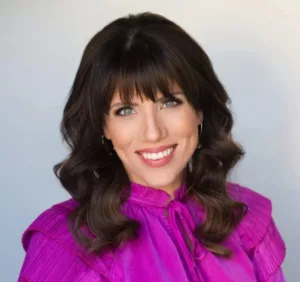
For those who haven’t heard of your organization, can you introduce The Abortion Survivors Network and explain what you do?
The Abortion Survivors Network exists to support people whose lives have been directly impacted by abortion in ways our culture rarely acknowledge—abortion not going as planned, which results in a continued pregnancy/live birth.
That includes survivors of failed abortions like me, mothers whose abortions did not end the way they were told they would, and families raising children who survived abortion attempts.
At our core, we provide community, connection, and care—both short- and long-term—because these experiences are often isolating and traumatic. We also educate the public, the media, and policymakers about the reality that abortion doesn’t always end a life, and we amplify voices that have been ignored for far too long. Everything we do centers on restoring dignity, truth, and hope—something abortion erodes and erases.
You have an extraordinary story of survival. Would you share it with us?
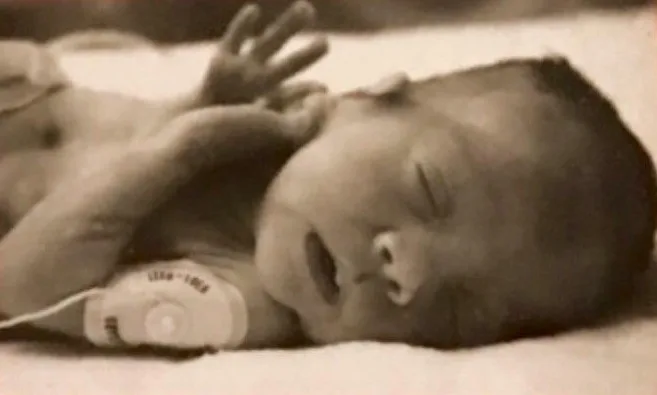
I am an abortion survivor, which is what gave me the eyes to see and ears to hear the experiences and realities tha I do. In 1977, my biological mother was over seven months pregnant when she underwent a saline infusion abortion—an abortion procedure that was supposed to end my life. It didn’t. I was born alive, premature, and weighing about three pounds.
A nurse defied orders to leave me to die and rushed me to the neonatal intensive care unit. That one decision—one person choosing to act—saved my life. I was later adopted into a loving family, and I didn’t learn the truth about my survival until I was a teenager.
That moment reshaped everything I thought I knew about abortion, about myself, and about the value of human life. My life is proof that abortion is not always a choice with a predictable outcome—and that survivors exist, even if society would rather not talk about us.
Does abortion survival happen often, based on what you’ve seen and heard?
Yes—far more often than most people realize. Abortion survival is not rare; it’s just underreported, poorly tracked, and often intentionally ignored. Across different abortion methods—including late-term procedures and abortion pills—we know that ongoing pregnancies and live births do occur.
What’s especially concerning is how little data is collected and how inconsistent reporting requirements are. Through our work, we hear regularly from survivors and from mothers who were told abortion would “solve” their situation, only to find themselves carrying to term or giving birth unexpectedly. These aren’t anomalies—they’re human lives and families navigating outcomes they were never prepared for.
You also co-founded My Body, My Voice. What inspired that project, and what is its purpose?
My Body, My Voice was born out of a simple but radical idea: people most impacted by abortion deserve to speak for themselves. For decades, survivors and women harmed by abortion have been spoken about, but rarely listened to.
This initiative creates a platform for abortion survivors and others with lived experience to share their stories authentically and powerfully—on their own terms. It’s about reclaiming voice, agency, and humanity in a conversation that too often reduces people to politics or slogans.
How does sharing survivor stories strengthen the pro-life movement and empower the survivors themselves?
Stories change hearts in ways statistics never can. When people encounter a real face, a real voice, a real life—they’re forced to confront the reality that abortion isn’t abstract. It’s personal.
For survivors, telling their story can be deeply healing. It affirms that their life matters and that their experience has meaning. For the broader movement, these stories bring credibility, depth, and moral clarity. Survivors remind the world that abortion doesn’t just end lives—it also leaves survivors behind.
When people encounter a real face, a real voice, a real life—they’re forced to confront the reality that abortion isn’t abstract. It’s personal.
If someone survived an abortion and wants to share their story, what steps should they take?
First, they should know they’re not alone—and they don’t owe their story to anyone. Sharing should always be a choice, not a pressure.
We encourage survivors to connect with The Abortion Survivors Network so they can find community, emotional support, and guidance. We help people discern if, when, and how to share their story in a way that protects their well-being. No one should walk this journey alone, especially when their story has been silenced for so long.
How is your organization preparing for the March for Life this year?
The March for Life is always a significant moment for us. This year, we’re focused on elevating survivor voices—through media, storytelling initiatives, and direct engagement with marchers and leaders.
We’re also using this moment to connect survivors, mothers, families and supporters from across the country, to remind them that this movement is not just about laws, but about people. The March is an opportunity to say clearly: survivors exist, and our lives matter.
What do you hope to see come out of this year’s march?
I hope people walk away with a deeper sense of responsibility and compassion. Laws matter, but culture matters too. I want people to leave recognizing that women deserve better support, that survivors deserve recognition, and that courage is required—not just to speak, but to listen.
Ultimately, I hope this march moves us closer to a society where no one feels abortion is their only option—and where survivors are never erased—these are keys to restoring a culture of life.
For those who want to get involved with your organization, what opportunities are available—and how can people donate?
There are so many ways to get involved—whether that’s volunteering, becoming a supporting donor, helping amplify stories, or partnering with us on education and advocacy efforts.
There are so many worthy pro-life organizations to support, but we are the only organization worldwide who serves abortion survivors, their mothers and families and empower and amplify those courageous voices, so financial support is so impactful. People can learn more, connect with us, and donate directly through our website at abortionsurvivors.org. Every gift is an investment in truth, healing, and life.
What message do you want to speak directly to a woman considering abortion right now?
You are not alone—and you are not out of options, even if it feels that way right now. I know fear, pressure, and uncertainty can be overwhelming. But your life matters, and so does the life you carry.
There are people who will walk with you, support you, and help you find real solutions—not quick fixes that leave lasting wounds. Whatever you’re facing, you deserve compassion, honesty, and hope. And if you’re a woman who has learned your abortion hasn’t gone as planned and you’re still pregnant, I know you’re shocked, scared, may even feel guilty or ashamed. But you are not alone.
Follow The Abortion Survivors Network: Website – Instagram – X – Facebook – YouTube








![Lauren Daigle – You Lead Me (Official Lyric Video) | Music Inspired by House of David [Season 2]](https://cmaddict.com/wp-content/uploads/2026/03/david-1024x1024.webp)






Leave a Reply